Digital Citizenship: Berperilaku Etis dan Bertanggung Jawab di Dunia Maya
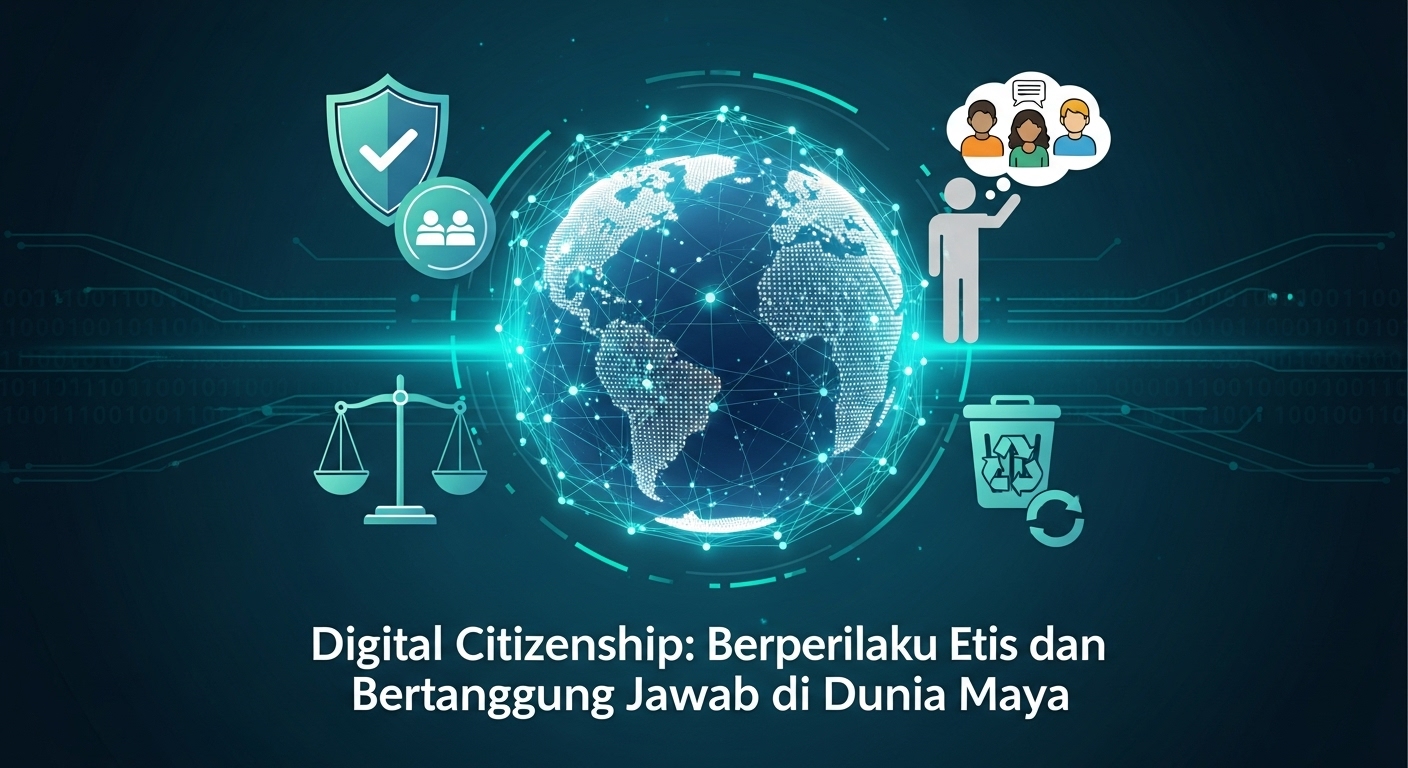
Poin Penting: Artikel ini memberikan panduan praktis tentang literasi digital yang dapat langsung diterapkan dalam kehidupan sehari-hari.
Internet telah fundamentally mengubah cara kita berkomunikasi, belajar, bekerja, dan berinteraksi dengan dunia. Tapi dengan opportunities luar biasa ini datang responsibilities besar. Concept dari “digital citizenship” refers ke kemampuan untuk engage dengan society digital secara positive, respectful, dan safe manner. Untuk Gen Z, yang entire social lives often unfold online, understanding principles dari good digital citizenship bukan optional—it’s essential life skill.
Digital citizenship goes beyond just technical literacy atau protecting diri sendiri. It’s tentang recognizing bahwa ada real people di balik screens, bahwa words dan actions online have real consequences, dan bahwa we have collective responsibility untuk create healthy, inclusive, dan constructive online communities.
The Permanence Principle: Digital Footprints Last Forever
First principle dari digital citizenship adalah understanding permanence. Internet cliché “the internet is forever” largely true. Once something posted online, potentially there permanently, even jika Anda delete it. Screenshots exist, archive services save versions dari websites, content gets shared dan replicated across platforms.
Professional implications: College admissions officers, employers, professional licensing boards increasingly review digital footprints. Content dari years ago, posted ketika younger dan perhaps less mature, bisa haunt later. Studies show significant percentage applicants rejected atau employees disciplined because of social media content.
Ini doesn’t mean Anda harus sanitize entire online presence atau never express opinions. Tapi consider: Apakah comfortable dengan boss, grandparents, atau college admissions officer seeing this? Jika not, reconsider posting it, at least publicly. Content bisa be shared dengan close friends privately daripada broadcast widely.
Redemption dan growth: People change dan should be allowed untuk grow. Part dari being good digital citizen adalah recognizing this—not endlessly holding past mistakes against people, while also taking accountability untuk own past actions. If Anda have content from past yang no longer represents who you are, addressing it proactively—deleting dan acknowledging growth—shows maturity.
Think multiply: Before posting, consider multiplication effect. Content shared impulsively bisa be seen oleh hundreds, thousands, atau millions. What might seem funny atau harmless dalam moment bisa offend, hurt, atau misrepresent Anda ketika viewed dari different perspectives atau contexts.
Empathy and Human Connection: Remember the Human
Behind every profile adalah real person dengan feelings, struggles, families, dan lives as complex as yours. Online disinhibition effect describes phenomenon dimana people behave differently online than they would face-to-face—often more aggressive, less empathetic, more willing to say hurtful things.
Anonymity atau distance dari screens creates psychological barrier yang makes easy forget there’s real person reading your words. But hurtful comments, harassment, atau cruelty inflict real emotional harm, sometimes with devastating consequences.
Practice empathy: Before commenting, messaging, atau responding, pause. Consider how you’d feel receiving this. How would you react jika someone said this to you, sibling, atau close friend? Tone easily misread dalam text, so erring on side dari kindness wise.
Disagree respectfully: Disagreement tidak requires hostility. Possible untuk express differing views tanpa attacking, name-calling, atau dismissing others. Focus on ideas rather than personal attacks. Phrases like “I see it differently” atau “my experience has been” less confrontational than “you’re wrong” atau “that’s stupid.”
Acknowledge common humanity: Even when strongly disagreeing, recognizing shared humanity helps. People usually acting from what they believe is right, even when you think they’re mistaken. Approaching differences dengan curiosity—“help me understand why you see it that way”—more productive than confrontation.
Protect vulnerable: Online spaces often hostile to marginalized groups. Being ally means speaking up against harassment, reporting abusive behavior, dan creating welcoming environments. Silence often interpreted as condoning.
Cyberbullying: Recognition and Response
Cyberbullying—harassment, intimidation, atau threats conducted through digital channels—serious problem affecting millions young people. Unlike traditional bullying, cyber version follows victims home, occurs 24/7, reaches wider audiences, dan content persists.
Forms: Cyberbullying includes direct harassment (threatening messages, hateful comments), social exclusion (deliberately leaving someone out from online activities), denigration (spreading rumors, sharing embarrassing information), impersonation, outing private information, atau sustained campaigns against individual.
Impacts: Effects severe: anxiety, depression, decreased academic performance, social withdrawal, dan tragically, sometimes suicide. Victims often reluctant to seek help karena shame, fear dari retaliation, atau thinking situation hopeless.
If you’re targeted: Document everything—screenshots dengan timestamps. Report to platforms using their reporting mechanisms. Tell trusted adult—parent, teacher, counselor. Block harassers. Remember it’s not your fault; nothing you did justifies cruelty.
Many schools dan platforms have policies against cyberbullying. Legal protections exist dalam many jurisdictions. If threats serious, law enforcement might need involved.
If you witness it: Don’t be bystander. Privately reach out ke victim dengan support. Report content. If safe, publicly condemn behavior. Bystander intervention powerful—research shows bullies often stop when met with peer disapproval.
If you realize you’ve been bully: Take accountability. Apologize sincerely. Delete harmful content. Reflect pada why you acted that way dan commit ke change. Seek help jika struggling dengan emotions driving behavior. People capable of change; recognizing wrongdoing adalah first step.
Prevention: Creating cultures where cyberbullying unacceptable matters. Call out casual cruelty. Model respectful disagreement. Celebrate kindness. When online communities collectively reject bullying, it happens less.
Intellectual Property: Respecting Others’ Work
Digital age memudahkan copying, remixing, dan sharing content. But just because Anda bisa doesn’t mean should. Copyright protects creators’ work, giving them rights over reproduction dan distribution.
Attribution: Ketika using someone else’s content—images, text, videos, music—give credit. Properly cite sources. Linking back ke original creator not just legally right tapi also respectful recognition dari their effort.
Fair use: Certain uses copyrighted material allowed without permission for purposes like education, criticism, parody, atau news reporting, dengan limitations. Understand fair use doesn’t mean “anything goes”—it has specific criteria balancing educational value against market harm.
Creative Commons: Many creators license work under Creative Commons, allowing various degrees dari use with proper attribution. CC licenses specify what allowed—commercial use, modifications, etc. Respecting these terms important.
Plagiarism: Passing others’ work as your own—whether school paper, social media content, atau creative work—dishonest. Beyond legal issues, it undermines trust dan your reputation. Even unintentional plagiarism (forgetting to cite) problematic; develop habits dari careful attribution.
Supporting creators: Creators deserve compensation for work. Pirating movies, music, games, atau software deprives creators dari livelihood. Subscription services, purchases, atau even views dengan ads contribute to creators’ sustainability. Value intellectual labor.
Your own work: Understand rights you have over content you create. Posting on platforms often involves granting them certain licenses to use content. Read terms of service. Consider watermarking original work untuk protect dari unauthorized use.
Misinformation: Responsible Sharing
We’ve discussed dalam artikel sebelumnya how identify hoaks. Dimension dari digital citizenship adalah not contributing ke problem. Every time Anda share misinformation, even unintentionally, Anda’re undermining public discourse dan potentially causing harm.
Verify before amplifying: Take extra moment untuk check facts sebelum sharing. If something seems too outrageous, perfect untuk your argument, atau triggers strong emotional reaction, it warrants extra scrutiny.
Corrections matter: If you shared something yang turns out false, publicly correct it. Don’t just quietly delete; followers who saw original post deserve update. “I shared this earlier tapi it turns out incorrect; here’s accurate information” shows integrity.
Context matters: Even true information bisa misleading tanpa context. Headlines sometimes misleading; articles might omit crucial details; statistics might be cherry-picked. When sharing, ensure you’re presenting full picture fairly.
Resist tribal warfare: It’s tempting share anything yang “owns” opposing side atau confirms your worldview, regardless of veracity. This degrades discourse. Commit ke truth over team.
Constructive skepticism: Approach information dengan critical mindset doesn’t mean cynicism atau nihilism. Healthy skepticism paired dengan evidence-based reasoning leads to informed understanding.
Privacy and Consent: Respecting Others’ Boundaries
Your digital citizenship responsibilities extend ke protecting others’ privacy, not just your own. Consent crucial—whether sharing photos dari group outing, posting tentang others, atau forwarding messages.
Photo sharing: Before posting atau tagging photos including others, ask permission. Some people uncomfortable with online presence; respect that. Consider who might see photos dan potential impacts. Party photos might fine untuk friends tapi problematic jika visible to employers atau family members.
Location sharing: Posting someone’s location real-time potentially safety issue. Girl saying she’s home alone shouldn’t have friend checking in dari that address. Similarly, posting vacation plans atau movements could compromise security.
Private communications: Forwarding atau screenshotting private messages tanpa consent breach of trust. What seemed private conversation suddenly public atau shared beyond intended recipients. Exception might be documenting harassment atau threats untuk reporting, tapi even then, consider implications carefully.
Secrets and sensitive information: If someone confides dalam you—about struggles, identity, situation—it’s not your place share online, even anonymously atau vaguely. Violating confidence serious breach.
Children: Be especially cautious tentang content involving minors. Parents might disagree about how much child’s image should be online. Predators unfortunately exist. Even innocent photos potentially misused.
Digital Activism: Making Positive Impact
Flip side dari online’s risks adalah potential untuk positive change. Digital tools enable organization, awareness-raising, fundraising, dan mobilization unprecedented dalam human history. Young people often leading these movements.
Informed advocacy: When supporting causes, understand issues deeply rather than just reacting to headlines atau viral posts. Effective advocacy requires nuance dan accurate information.
Amplifying voices: Use platform untuk elevate those directly affected by issues—rather than speaking untuk others, share their own words. This particularly important for allies supporting marginalized communities.
Sustained engagement: Real change requires long-term commitment, not just viral moments. Follow organizations doing work, support financially kalau possible, take concrete actions beyond posting.
Constructive discourse: Engage dengan people who disagree productively. Calling out dan canceling might feel satisfying tapi often entrenches positions. Thoughtful dialogue, presenting evidence, sharing personal stories more likely shift opinions.
Digital literacy advocacy: Sharing accurate information, fact-checking misinformation dalam your network, educating others tentang privacy atau security contributes to healthier digital environment.
Balance activism dengan self-care: Constant exposure ke injustice dan suffering exhausting. Maintaining mental health allows sustained rather than burnt-out engagement.
Mental Health and Wellbeing: Setting Boundaries
Being responsible digital citizen includes caring untuk own wellbeing. Unlimited connectivity has costs: anxiety dari constant comparison dan notifications, depression linked ke social media use, sleep disruption dari screens before bed, FOMO (fear of missing out), dan addiction-like behaviors around phone use.
Digital detox: Regular breaks beneficial. Designate phone-free times atau zones—maybe during meals, first hour after waking, atau before bed. Full day atau weekend digital detoxes reset relationship dengan technology.
Curate feeds: Unfollow accounts yang make you feel bad about yourself. Follow content inspiring, educational, atau genuinely joyful. Mute atau unfollow political content kalau overwhelming without disengaging from civic life entirely—get news dari selected sources rather than constant feed.
Manage notifications: Disable non-essential notifications. You don’t need alert every like atau comment. Check apps intentionally rather than responding to constant pings.
Real-world connections: Prioritize face-to-face relationships. Video calls better than texts, tapi in-person best. Online relationships valid tapi shouldn’t entirely replace physical presence.
Self-awareness: Notice how different platforms atau content types affect mood. If particular app consistently leaves you anxious atau inadequate, reduce use atau quit. Digital tools should enhance life, not dominate atau diminish it.
Seeking help: If online experiences contributing to serious mental health issues, talk dengan counselor, therapist, atau trusted adult. This isn’t failure; it’s responsible self-care.
The Future: Building Better Digital Spaces
Digital citizenship isn’t static; it evolves dengan technology dan society. As Gen Z matures into leadership roles, you have opportunity to shape digital future reflecting values dari inclusion, respect, privacy, dan authenticity.
Platform design: Advocate untuk platforms prioritizing user wellbeing over engagement metrics. Support companies designing ethical algorithms, transparent data practices, dan features protecting users rather than exploiting.
Digital democracy: Participate dalam discussions tentang tech regulation, net neutrality, platform accountability. Young people often most affected by these policies yet underrepresented dalam decision-making.
Innovation dengan ethics: If entering tech fields, commit to developing tools dan services respecting human dignity. Consider impacts beyond technical functionality—social, psychological, ethical dimensions matter.
Intergenerational dialogue: Help parents, teachers, policymakers understand digital realities. Generational digital divide real; your insights valuable untuk better policies dan practices.
Local action: Digital citizenship isn’t only online. Advocate untuk digital literacy education dalam schools, organize community workshops, volunteer dengan organizations bridging digital divide.
Cultural shift: Most powerfully, embody principles discussed dan encourage peers to do same. Cultural norms around online behavior largely set by users themselves. Being consistently kind, thoughtful, accountable online contributes to broader shift.
Digital citizenship ultimately about recognizing technology isn’t separate realm dengan different rules dari “real life”—it is real life. People we interact dengan online are real. Consequences dari digital actions are real. Therefore, values guiding offline behavior—respect, honesty, empathy, responsibility—should equally guide online.
Komentar