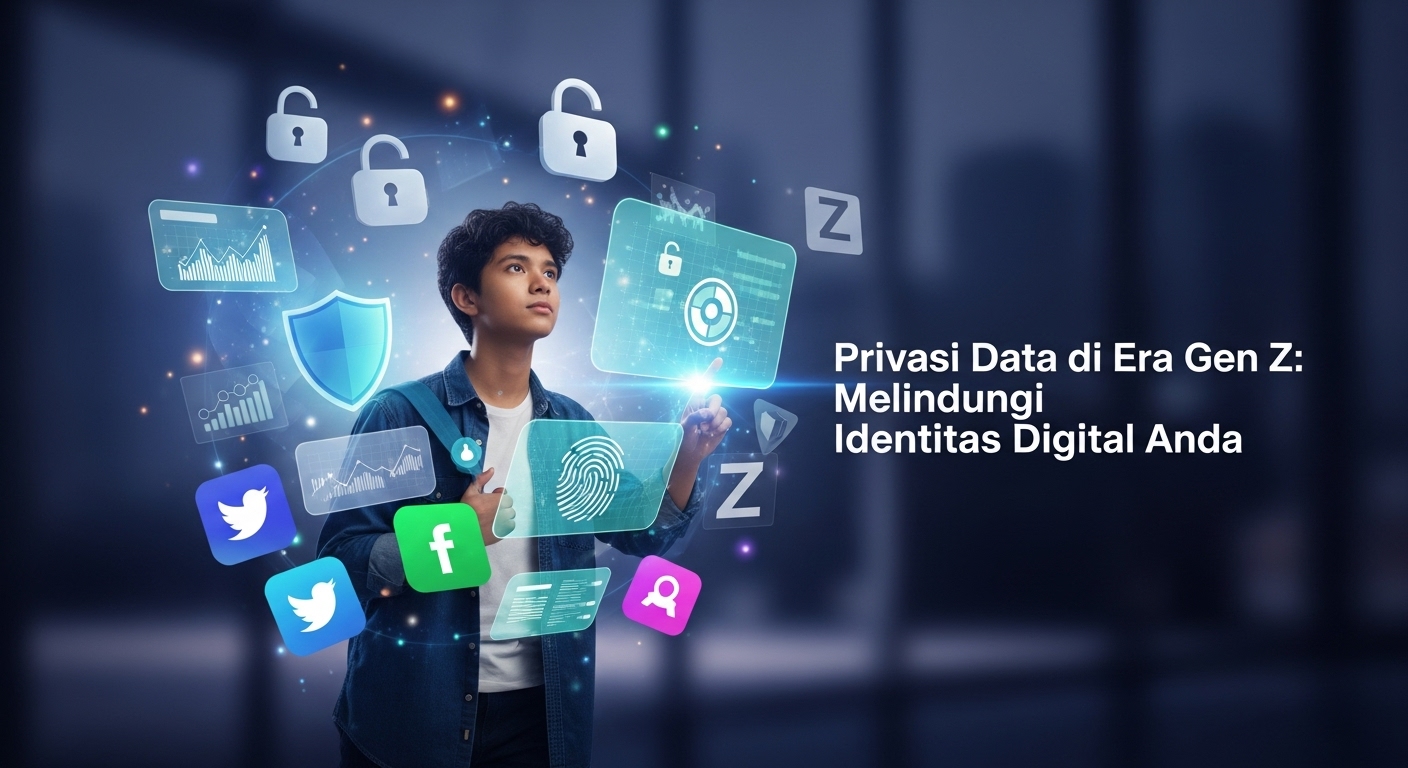
Privasi Data di Era Gen Z: Melindungi Identitas Digital Anda
Poin Penting: Artikel ini memberikan panduan praktis tentang literasi digital yang dapat langsung diterapkan dalam kehidupan sehari-hari.
Generasi Z tumbuh sebagai true digital natives, generation pertama yang entire life nya documented dan shared online. Dari baby photos yang di-upload orang tua hingga own social media presence yang extensive, Gen Z memiliki digital footprint yang belum pernah ada sebelumnya. Namun, dengan connectivity dan sharing yang constant ini datang risiko significant terhadap privasi dan keamanan data personal.
Survei menunjukkan bahwa meskipun Gen Z concern tentang privasi online, many masih engaging dalam behaviors yang compromising data mereka. Paradox ini—caring about privacy tapi tidak taking adequate steps untuk protect it—partly karena lack of understanding tentang how data dikumpulkan, digunakan, dan apa consequences-nya. Mari kita eksplor comprehensive guide untuk navigasi privacy dalam digital age.
Memahami Data: Apa Yang Dikumpulkan dan Kenapa
Setiap kali Anda interact dengan digital device atau service, Anda generating data. Ini bukan hanya informasi yang explicitly Anda share seperti posts atau photos. Metadata tentang behavior Anda—where you are, what time you’re active, who you interact dengan, how long you spend pada different activities—juga dikumpulkan constantly.
Personal Identifiable Information (PII) termasuk nama, address, tanggal lahir, email, nomor telepon—apapun yang bisa directly identify Anda. Ini obviously sensitif dan harus protected carefully. Tapi ada juga quasi-identifiers: individual data points yang sendiri tidak identifying tapi combined bisa pinpoint identity. Misalnya, kombinasi dari zip code, birthdate, dan gender sudah bisa identify 87% dari US population.
Behavioral data tracks apa yang Anda lakukan online: websites dikunjungi, searches dilakukan, videos ditonton, products dilihat. Biometric data seperti fingerprints, facial recognition, atau voice patterns increasingly collected oleh devices dan apps. Location data dari GPS smartphone Anda creates detailed map dari movements Anda throughout day.
Companies mengumpulkan data ini untuk berbagai reasons. Personalization adalah yang paling obvious—tailoring content, ads, recommendations based on your interests dan behavior. Monetization adalah big driver: data Anda valuable untuk advertisers yang wanting target specific demographics atau individuals. Analytics membantu companies understand user behavior dan improve products. Security purposes juga legitimate: detecting fraud atau suspicious activity.
Problem arise ketika data dikumpulkan tanpa clear consent, digunakan untuk purposes beyond yang diberitahu, atau dibagikan dengan third parties tanpa knowledge Anda. Data breaches membuat even well-meaning collection risky—your data bisa fall into wrong hands.
Social Media: The Privacy Paradox
Social media adalah double-edged sword untuk Gen Z. It’s crucial untuk social connection, self-expression, dan bahkan professional networking. Tapi it’s juga major privacy vulnerability. Platforms designed untuk encourage maximum sharing, often dengan default settings yang optimize untuk publicity bukan privacy.
Oversharing adalah common pitfall. Photos dari vacation bisa tell thieves Anda tidak di rumah. Check-ins at locations broadcast whereabouts real-time. Posting tentang new job atau school bisa give social engineers information untuk phishing attacks. Bahkan seemingly innocent details—pet names, favorite movies, dimana Anda grew up—often answers ke security questions.
Digital permanence berarti content Anda share bisa persist indefinitely, even jika Anda delete it. Screenshots exist, archives tersimpan, dan data bisa replicated across multiple servers. College admissions officers, potential employers, dan others increasingly review social media profiles. Content dari years ago bisa resurface dan impact future opportunities.
Privacy settings consistently disregarded atau misunderstood. Many users tidak realize extent yang posts mereka visible beyond intended audience. Settings change frequently, dan platforms tidak selalu make updates clear atau easy untuk manage. Taking time untuk regularly review dan adjust privacy settings crucial.
Tagging dan metadata add another layer. Ketika friends tag Anda in photos atau locations, Anda lose control over apa yang associated with online identity Anda, even jika Anda personally tidak share it. Photo metadata bisa reveal exact locations dan timestamps.
Third-party apps yang connect ke social media accounts often request broad permissions untuk access data. That fun quiz atau game mungkin actually harvesting information dari profile Anda dan friends list. Always check apa data yang third-party apps dapat access dan consider apakah trade-off worth it.
Smartphones: Tracking Devices in Our Pockets
Smartphones adalah powerful tools tapi juga sophisticated surveillance devices. Mereka know where Anda go, who Anda contact, apa yang Anda search, dan potentially bahkan listen ke conversations (whether through intended features like voice assistants atau potential unauthorized access).
App permissions sering diminta broadly. Camera app yang asking untuk access ke contacts atau location—apakah really necessary? Many apps request permissions beyond what functionally needed. Review permissions regularly dan revoke apa yang tidak essential. Pada modern phones, Anda bisa set permissions ke “allow only while using app” daripada “always allow.”
Location tracking adalah major privacy concern. Beyond obvious uses like navigation, location data creates detailed pattern dari life Anda: dimana work, where you shop, who you visit, even inferences tentang health (repeat visits ke hospital), religion (temple/church visits), atau political leanings (rally attendance).
Disable location services untuk apps yang tidak memerlukan it. Consider using “precise location” only when needed dan switching ke “approximate location” otherwise. Be aware bahwa even dengan GPS off, location masih bisa determined via cellular towers atau WiFi triangulation.
Public WiFi adalah convenience tapi security risk. Data transmitted over unencrypted networks bisa intercepted. Avoid accessing sensitive information like banking pada public WiFi. Kalau harus, gunakan VPN (Virtual Private Network) untuk encrypt traffic Anda.
Bluetooth dan NFC juga potential vulnerabilities. Bluetooth tracking bisa follow Anda through stores atau events. Keep these features off ketika tidak actively needed.
Voice assistants like Siri, Google Assistant, atau Alexa convenient tapi always listening untuk wake words. Recordings dari voice interactions sering stored dan reviewed. Check privacy settings untuk voice assistants dan periodically review/delete voice history.
Browsers and Online Tracking
Saat Anda browse web, Anda leaving trail of data. Cookies adalah small files yang websites place on device untuk remember you atau track behavior. First-party cookies dari site yang visiting potentially useful (keeping you logged in, remembering preferences). Third-party cookies dari advertisers atau analytics companies track across multiple sites untuk build profile dari browsing habits.
Most browsers now allow blocking third-party cookies. Consider enabling this option. Browser fingerprinting adalah more sophisticated tracking method: collecting information tentang browser version, operating system, screen resolution, installed plugins, fonts, dan dozens lainnya characteristics untuk create unique identifier bahkan tanpa cookies.
Search engines track queries dan clicks untuk personalize results dan serve targeted ads. Consider privacy-focused alternatives like DuckDuckGo yang tidak track searches. Atau use browser private/incognito mode, though understand bahwa ini hanya prevents local history saving—ISP, websites, dan network administrators masih bisa see activity.
Browser extensions enhance privacy: uBlock Origin blocks ads dan trackers, Privacy Badger learns untuk block invisible trackers, HTTPS Everywhere ensures encrypted connections. However, too many extensions bisa actually make fingerprint more unique atau themselves compromise privacy jika dari untrustworthy sources.
Search history dan browsing history tells intimate story tentang interests, concerns, health issues, financial situation, dan more. Regularly clear history atau use privacy modes untuk sensitive searches. Remember employers, schools, atau parents dengan network access potentially bisa monitor activity.
Passwords and Authentication
Weak atau reused passwords adalah one of biggest security vulnerabilities, yet many people still engaging dalam risky practices. Password strength matters: longer passwords dengan mix of characters far more secure daripada short ones. Aim untuk at least 12-15 characters.
Password reuse multiplies risk: if one service breached, all accounts dengan same password vulnerable. Use unique passwords untuk setiap account, particularly important ones like email, banking, atau social media. Password managers like Bitwarden, 1Password, atau LastPass generate dan store strong unique passwords untuk each site.
Two-factor authentication (2FA) adds crucial security layer. Even jika password compromised, attacker needs second factor (usually code sent via SMS atau generated by authenticator app) untuk access account. Enable 2FA wherever possible, particularly untuk accounts yang hold sensitive information atau financial access.
Authenticator apps (Google Authenticator, Authy, Microsoft Authenticator) more secure than SMS-based 2FA karena SIM swapping attacks. Physical security keys seperti YubiKey provide even stronger protection untuk high-value accounts.
Security questions often have answers easily found atau guessed from social media. Consider using false answers yang memorable hanya untuk Anda, atau generated strings. Store these dengan password manager juga.
Account recovery options perlu secure. Backup email atau phone number untuk recovery should be secure themselves. Some services allow trusted contacts atau recovery codes—set these up dan store safely.
Data Breaches: What to Do
Data breaches increasingly common—major companies holding millions dari user accounts regularly compromised. Even dengan best personal practices, data Anda at risk from breaches beyond your control.
Check if you’ve been compromised: Sites like Have I Been Pwned allow check email addresses against known breaches. Sign up untuk notification dari services Anda use tentang security incidents. Check credit monitoring services atau identity theft protection yang might alert unusual activity.
Immediate steps after breach: Change password immediately, not just on breached site tapi any others sharing that password. Enable 2FA jika belum. Monitor accounts untuk suspicious activity. Kalau financial information involved, check bank statements closely dan consider credit freeze.
Phishing often follows breaches: scammers use leaked information untuk craft convincing emails impersonating legitimate companies. Be extra vigilant tentang unsolicited communications asking untuk personal information atau urgent action, especially following announced breaches.
Legal rights: Depending on jurisdiction, Anda mungkin have rights untuk notification tentang breaches, compensation, atau force companies untuk delete data. GDPR in Europe dan similar laws elsewhere provide protections. Know your rights dan don’t hesitate untuk demand accountability.
Protecting Personal Information
Beyond technical measures, there are practical habits untuk minimize data exposure:
Think before sharing: Apakah really necessary untuk share this information? Once online, difficult untuk fully retract. Consider minimum information needed untuk purpose.
Separate accounts: Use different email addresses untuk different purposes—one untuk important accounts, another untuk newsletters atau shopping, perhaps disposable ones untuk one-time signups. This limits linkability dan spam if one compromised.
Temporary/alias information: Services like temporary email addresses atau virtual credit card numbers add privacy layers. Phone number masking apps allow calls/texts tanpa revealing real number.
Public records: Even offline, information tentang Anda might publicly available—property records, court documents, etc. Services like opt-out programs for data brokers bisa reduce this exposure, though perfect privacy increasingly difficult.
IoT devices: Smart home devices, fitness trackers, smart TVs all collecting data. Review privacy policies, disable unnecessary features, segment devices on separate network dari main computers jika possible.
Children’s data: If Anda have younger siblings atau akan become parents, be extremely cautious tentang their digital footprint. COPPA (Children’s Online Privacy Protection Act) regulates collection dari data from children under 13 di US, tapi voluntary restraint beyond legal requirements advisable.
The Bigger Picture: Surveillance Capitalism
Understanding individual actions important, tapi also crucial untuk grasp broader context: surveillance capitalism. This describes business model dimana personal data adalah commodity, dan detailed surveillance adalah how product (you) delivered ke customers (advertisers).
Behavioral surplus: Every click, pause, scroll beyond what necessary untuk service functionality potentially monetized. Platforms optimize not just untuk your satisfaction tapi untuk keeping attention, engagement, dan data generation.
Predictive products: With enough data, companies predict future behavior surprisingly well—not just apa ads show, tapi credit scores, insurance premiums, employment opportunities, even criminal justice decisions increasingly influenced oleh algorithmic assessments dari digital trails.
Power asymmetries: Individuals have little leverage over how data used. Terms of service lengthy, technical, dan effectively non-negotiable. Privacy settings help but don’t fundamentally alter extraction model.
Collective action: While individual steps crucial, systemic change requires collective pressure. Supporting regulations like GDPR, advocating untuk stronger privacy laws, dan supporting companies committed to privacy-respecting business models all matter.
Balancing Privacy and Convenience
Complete privacy online essentially impossible, dan bukan necessarily desirable—many useful services depend on some data sharing. Key adalah informed trade-offs.
Assess sensitivity: Not all data equally sensitive. Decision untuk share location dengan weather app different dari health app. Calibrate privacy measures to sensitivity dari what protected.
Trust evaluation: Consider companies’ track records, business models, privacy policies, dan responses to past incidents when deciding what services use dan how much information share.
Incremental improvements: Perfect privacy unattainable, tapi every step improves situation. Don’t be discouraged—even partial implementation dari practices discussed makes meaningful difference.
Privacy budgets: Some advocate thinking in terms of privacy budgets—willing untuk “spend” some privacy untuk services valuable enough, conserving for others.
Looking Forward: Privacy Rights and Future
Privacy landscape evolving rapidly both technologically dan legally. Encryption increasingly standard, dengan end-to-end encrypted messaging becoming norm. Decentralized technologies like blockchain potentially shifting power dari centralized corporations, though with own complications.
Privacy-preserving computation techniques like differential privacy, homomorphic encryption, atau federated learning aim untuk allow data use without exposing individual information.
Legally, more jurisdictions implementing strong privacy protections. Understanding your rights under laws like GDPR (Europe), CCPA (California), LGPD (Brazil), atau local equivalents empowers demanding proper treatment dari organizations handling data.
Privacy activism: Supporting organizations like Electronic Frontier Foundation, participating dalam consultations tentang proposed regulations, atau simply discussing these issues dengan peers contributes to broader privacy culture.
Privacy bukan just individual concern—it’s about human dignity, autonomy, power dynamics dalam society. Data tentang groups digunakan untuk decisions affecting opportunities, targeting vulnerable communities, atau manipulating democratic processes. Protecting privacy therefore collective responsibility.
Komentar